
How Long Does SEO Really Take?
Blog post description.
Ads Virtue
4/2/20263 min read
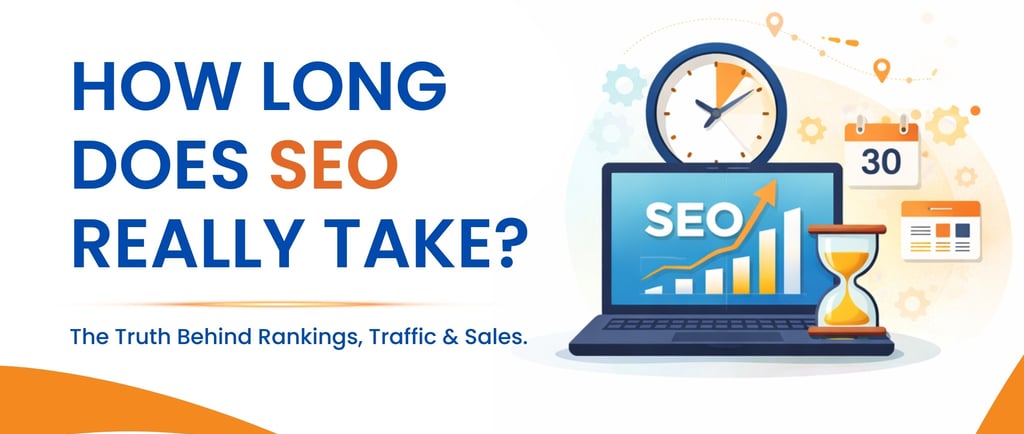
How Long Does SEO Really Take?
The Truth Behind Rankings, Traffic & Sales
Search Engine Optimization (SEO) is one of the most powerful digital marketing strategies—but also one of the most misunderstood. One of the most common questions businesses ask is: “How long does SEO really take?”
The honest answer? SEO is not instant. It’s a long-term investment that builds sustainable growth over time. But understanding the timeline can help you set realistic expectations and make smarter business decisions.
Understanding the Nature of SEO
SEO is not a one-time task—it’s an ongoing process that involves optimizing your website, creating high-quality content, building authority, and improving user experience. Search engines like Google continuously evaluate websites based on hundreds of ranking factors.
Unlike paid ads, where you can see immediate traffic, SEO works gradually. It takes time for search engines to crawl, index, and trust your website.
Typical SEO Timeline: What to Expect
0–3 Months: Foundation Phase
In the first few months, the focus is on building a strong foundation. This includes:
Website audit and technical fixes
Keyword research
Competitor analysis
On-page SEO optimization
Content planning
During this phase, you may not see significant traffic growth, but the groundwork is crucial for long-term success.
3–6 Months: Early Growth
This is when things start to move. You may begin to notice:
Improved keyword rankings
Increased impressions in search results
Slight growth in organic traffic
However, results are still in the early stages. Consistency in content and optimization is key here.
6–12 Months: Real Results
By this stage, SEO efforts start paying off more visibly:
Strong ranking improvements for target keywords
Noticeable increase in organic traffic
Better engagement and conversions
If done correctly, this is where SEO begins to generate real business value.
12+ Months: Long-Term Success
SEO truly shines in the long run. After a year of consistent work:
High rankings for competitive keywords
Stable and growing traffic
Strong domain authority
Continuous leads and sales
At this point, SEO becomes a major growth channel for your business.
Key Factors That Affect SEO Timeline
Not all websites experience the same results. Several factors influence how quickly SEO works:
1. Website Age & Authority
New websites take longer to rank because they lack trust and authority. Established websites often see faster results.
2. Competition Level
Ranking in a highly competitive niche (like digital marketing or real estate) takes more time compared to less competitive industries.
3. Keyword Difficulty
Targeting high-volume, competitive keywords takes longer than ranking for long-tail or niche keywords.
4. Content Quality
High-quality, valuable, and consistent content significantly speeds up SEO performance.
5. Technical SEO Health
A slow, poorly structured website can delay results. Proper technical optimization is essential.
6. Backlink Strategy
Earning high-quality backlinks boosts authority and improves rankings faster.
Why SEO Takes Time (And Why That’s Good)
SEO is slow because search engines prioritize trust and quality. They don’t rank websites overnight to prevent spam and ensure users get the best results.
While this may seem frustrating, it actually benefits businesses in the long run:
Sustainable traffic without ongoing ad spend
Higher credibility and trust
Better ROI compared to paid marketing
SEO vs Paid Ads: A Reality Check
Many businesses compare SEO with paid advertising. While ads deliver instant results, they stop the moment you stop spending.
SEO, on the other hand:
Builds long-term visibility
Generates consistent organic traffic
Reduces dependency on ads over time
The best strategy is often a combination of both—using ads for quick wins and SEO for long-term growth.
How to Speed Up SEO Results
While SEO takes time, there are ways to accelerate the process:
Focus on long-tail keywords first
Publish high-quality content consistently
Optimize for user experience (UX)
Improve website speed and mobile responsiveness
Build strong backlinks
Use data and analytics to refine strategy
Consistency and patience are the real game changers.
Common SEO Myths You Should Ignore
“SEO gives instant results”
False. If someone promises overnight rankings, it’s likely a risky or black-hat strategy.
“SEO is a one-time task”
SEO requires continuous effort to maintain and improve rankings.
“More keywords = better ranking”
Keyword stuffing harms your website. Quality content matters more.
Final Thoughts
So, how long does SEO really take?
In most cases, you can expect noticeable results within 3 to 6 months, strong growth in 6 to 12 months, and long-term success after a year or more.
SEO is not about quick wins—it’s about building a powerful, sustainable online presence that drives traffic, leads, and sales over time.
If you’re willing to invest in the process, stay consistent, and focus on quality, SEO can become one of the most profitable marketing channels for your business.